


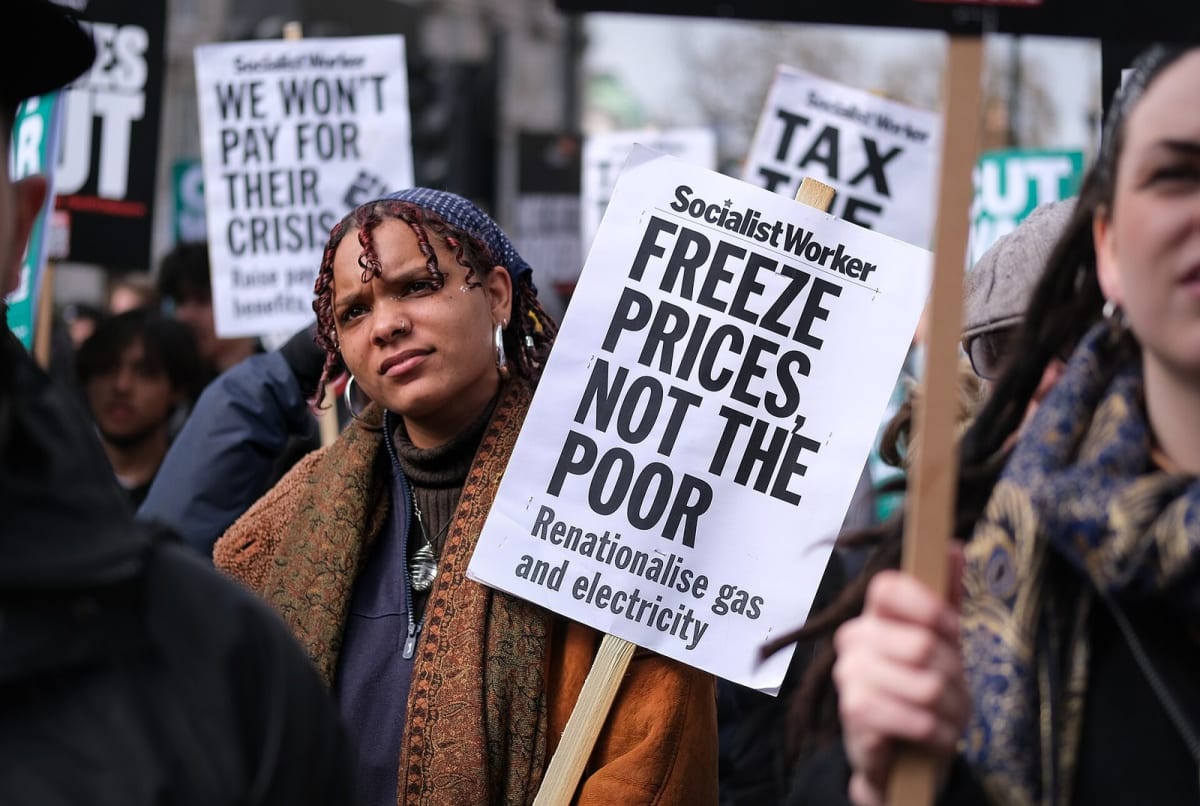
- The benchmark gas price increases by 5.6% due to Middle East tensions, affecting nearly six million households.
- Sick leave is now capped at 31 days for an initial prescription to save 10 million euros.
- The maximum duration of unemployment benefits after a mutual termination is reduced to 15 months for employees under 55.
- MaPrimeRénov’ grants are restructured to exclusively favour comprehensive renovations over isolated works.
Energy and Housing: Gas Price Hike and MaPrimeRénov’ Refocus

September brings several price and regulatory adjustments directly impacting household budgets. After a temporary dip, the benchmark natural gas selling price is on the rise again, increasing by 5.6% to an average cost of 172.05 euros including VAT per megawatt-hour. This increase, directly linked to geopolitical tensions in the Middle East affecting wholesale markets, concerns approximately six million households with contracts indexed to this reference tariff. Concurrently, public aid for energy renovation is undergoing a major shift. The MaPrimeRénov’ scheme is now refocused on large-scale renovations, at the expense of isolated works. Several individual pieces of equipment, such as pellet boilers, loft insulation, and solar water heaters, are being removed from the list of eligible aids, with the notable exception of reversible heat pumps.
Employment and Health: Regulating Sick Leave and Benefits
The government is implementing new austerity measures impacting the labour market and social protection. From now on, the maximum duration for an initial sick leave is set at 31 days, and 62 days for an extension, unless a justified medical opinion states otherwise. With this unprecedented restriction, the executive aims to reduce public spending on daily allowances, targeting savings of 10 million euros in a full year. In the same vein of cost reduction, the rules governing individual mutual contract terminations are being tightened. The duration of unemployment benefits after a mutually agreed contract termination is being reduced. Active individuals under 55 will see their coverage cut from 18 to 15 months, while seniors aged 55 and over will receive 20.5 months of support, down from durations of up to 27 months previously.
Business Life and Ecological Transition: Invoicing and Used Vehicles
The start of the new academic year also marks an important step in the digitisation of the economy and the energy transition. Economic actors must adapt to the obligation to receive invoices in electronic format, a complex transition affecting over ten million businesses, even though nearly 30% of small and medium-sized structures admitted not being ready last July. In terms of transport, a new incentive measure is being introduced to promote the decarbonisation of the second-hand car fleet. A specific bonus is being established to support the purchase or lease of used electric cars. Funded by the energy saving certificates mechanism, this aid is available to all households, without income conditions, for the acquisition of vehicles registered between 2017 and 2023 from approved professionals.