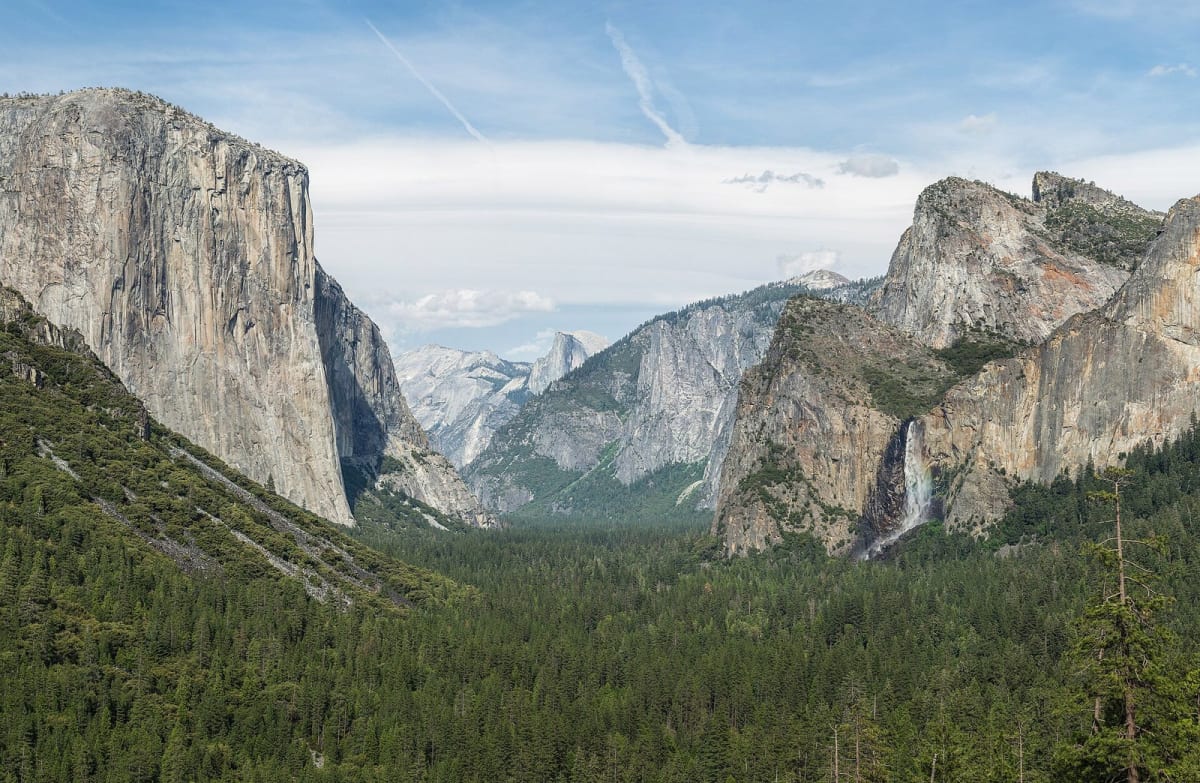


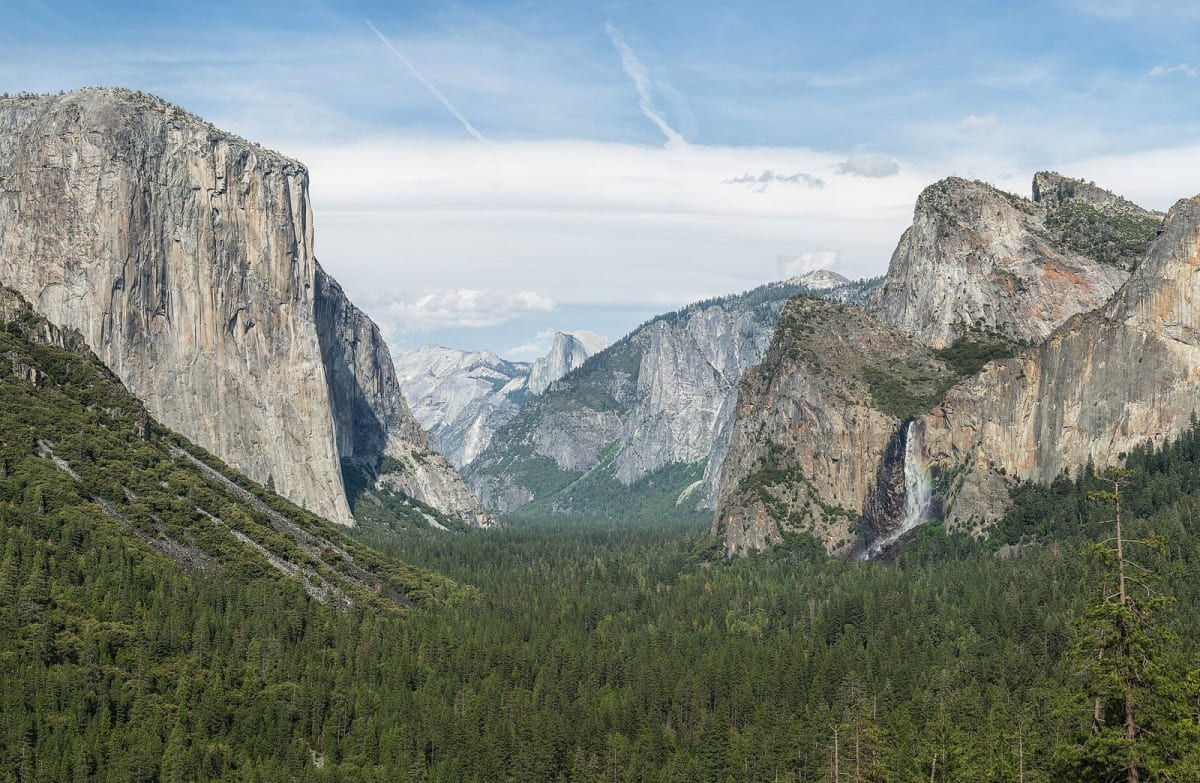
- The Department of the Interior is negotiating a land swap with Kingsbarn Realty Capital.
- The project concerns road access to a 34-hectare plot located on the edge of the national park.
- Environmentalists and the National Park Service union are denouncing the privatisation of public heritage.
Negotiations for a land swap

The US Department of the Interior has confirmed that discussions are underway to grant road access to a private property developer within Yosemite National Park, California. Donald Trump’s administration is currently studying the possibility of allowing a developer to build an access road within Yosemite National Park. The project is being conducted in collaboration with the National Park Service to analyse a proposal submitted by Kingsbarn Realty Capital, a Nevada-based firm. The case involves a 34-hectare plot located on the edge of the national park. In exchange for permission to build a road on federal land, the developer is offering to cede another plot of land to the state in a different area. The company’s lawyer, Lanny Davis, maintains that this initiative complies with federal law and would reduce pollutant emissions by facilitating access to this currently undeveloped private land.
Outcry from environmental and trade union organisations
The announcement has triggered fierce opposition from nature conservation organisations and Democratic officials, who see it as a dangerous precedent for the management of American public lands. Environmentalists and National Park Service unions are firmly opposed to the project, which they view as the privatisation of public land. Mark Rose, Sierra Nevada programme manager, lambasted the decision, describing it as an attack on collective heritage. The union representing park employees also stated it was appalled by the prospect of protected land serving private real estate interests, deeming the proposal contrary to their professional ethics. However, the Department of the Interior has assured that any progress on the matter would be subject to coordination and transparency procedures, in accordance with current regulations. If the swap goes ahead, it would mark a significant step in the administration’s policy of easing restrictions on the development of federal zones.