
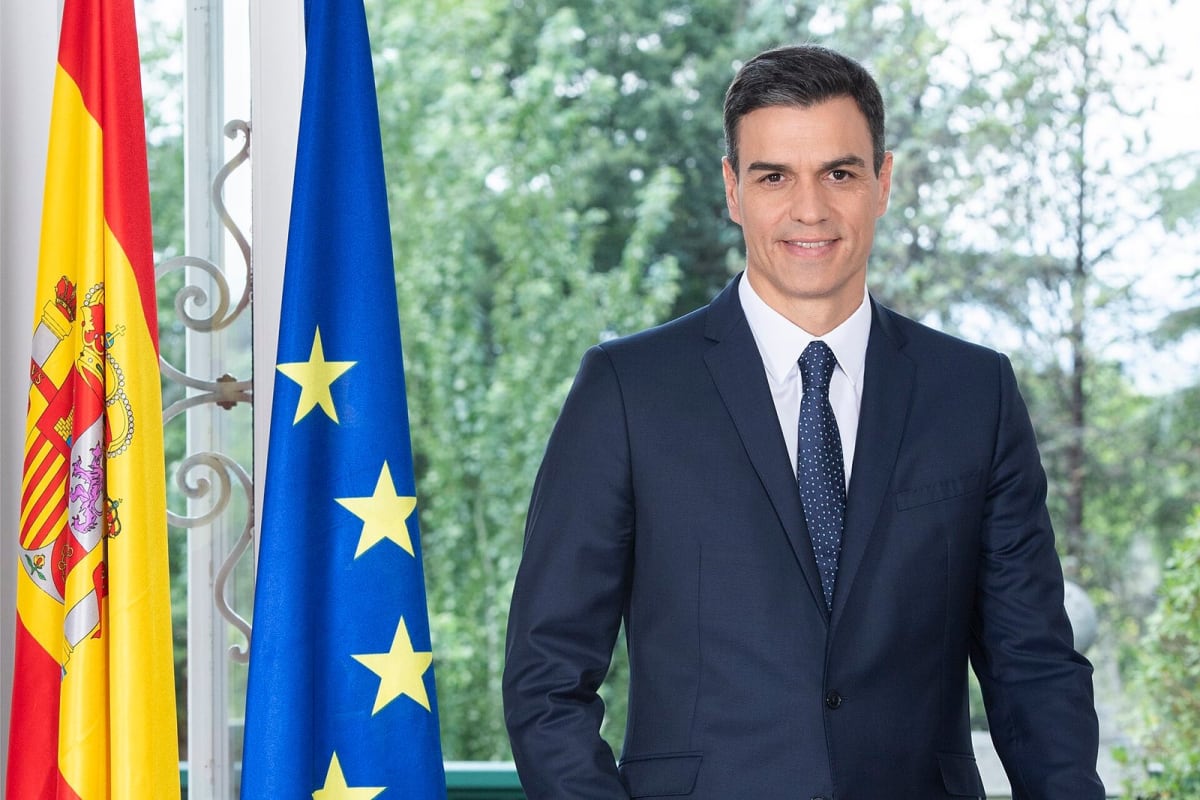
- Spanish Prime Minister Pedro Sanchez has accused Russia and Israel of orchestrating disinformation campaigns.
- These operations aimed to destabilise Madrid following the exceptional influx of 70,000 migrants into the enclave of Ceuta in late July.
- The Spanish head of government has formally ruled out any involvement by Morocco in this event.
- According to Madrid, these hostile actions stem from Spain’s diplomatic stances on the conflicts in Ukraine and the Middle East.
Accusations of Interference Targeting Moscow and Tel Aviv

The Spanish Prime Minister, Pedro Sanchez, has publicly challenged Russia and Israel over their role in spreading false information during the recent events in Ceuta. Speaking on the radio on Monday 31 August 2026, the head of government asserted that these two nations had deliberately amplified unfounded rumours to weaken the Spanish executive. This information offensive is reportedly based on specific findings from the European Union’s diplomatic service. According to Madrid, this hostile approach is explained by Spain’s positions on the conflicts in Ukraine and the Middle East, which contrast with the interests of Moscow and the Jewish state.
A Migrant Crisis of Unprecedented Scale
The controversy comes a month after a particularly intense migration episode in the Spanish enclave located in North Africa. On 30 and 31 July, around 70,000 people attempted to cross the border to enter European territory, a dramatic crowd movement that caused dozens of deaths and disappearions. Even today, several thousand migrants remain stranded in the enclave of Ceuta. Pedro Sanchez admitted that, despite situation reports provided by the national police and the National Intelligence Centre (CNI), no service had anticipated the exceptional severity of this influx.
Morocco Cleared by Intelligence Services
While suspicion had initially fallen on the role of the neighbouring country, the Spanish Prime Minister was keen to clear up any ambiguity regarding Rabat’s responsibility. Pedro Sanchez thus assured that no intelligence data implicated the Moroccan authorities in this wave of crossings. Spain categorically rules out any participation by Morocco and is continuing its internal investigations. The head of government insisted that collaboration with Spain’s usual partner services left no room for doubt as to the lack of any role by Rabat in triggering this crisis.
Also read Finances publiques : le taux d’emprunt de la France franchit le seuil des 5 %
A Highly Charged Political Context
This clarification comes in a complex domestic political climate for the Spanish executive, at the dawn of a crucial political return before the next legislative elections. The management of the Ceuta crisis has become a major concern, exacerbated by local tensions and the spread of false rumours on the ground. By denouncing external manipulation, Pedro Sanchez is pointing to the hybrid threats hanging over national sovereignty. The government investigation is now continuing to identify precisely the inner workings of this extraordinary event.