

- Chinese tech giant Xiaomi plans to launch its automotive division in the European market by 2027.
- A research and development centre based in Munich is already working on adapting the vehicles to local safety standards.
- The group has opened a recruitment phase for dealerships to structure its future international sales network.
- The expansion strategy, led by Lei Jun, is expected to prioritise Germany before rolling out to France and Italy.
A global expansion strategy driven from the very top
After conquering the global smartphone and consumer electronics market, Chinese giant Xiaomi is taking a decisive step in its industrial diversification. The manufacturer has officially confirmed the international launch of its automotive division, « Xiaomi Auto », with an arrival scheduled on European soil for 2027. This announcement, marked by the launch of a web portal dedicated to global markets, signals the group’s desire to transform its image from a mobile device manufacturer into a major player in electric mobility. The launch of Xiaomi Auto in Europe in 2027 is part of a carefully considered global rollout strategy supervised directly by the group’s executive management. Company founder Lei Jun is closely monitoring this project, which is being treated as an absolute priority for the firm’s long-term growth.
Setting up a commercial and technical network
Anticipation is the watchword of this commercial offensive. Although the deadline is set three years away, Xiaomi has already launched a call for applications to build its future distribution and sales network. Recruiting dealerships and logistics partners is a critical phase that generally requires long months of preparation to ensure high-quality after-sales service and maintenance. To support this technical effort, the company is relying on a research and development facility already established in Munich, Germany. Germany is expected to be the brand’s primary gateway to the continent, ahead of a gradual rollout to France and Italy. This geographical choice allows Xiaomi to anchor itself at the heart of the European automotive industry while facilitating the approval of its models according to the strictest European standards.
Technological challenges and economic barriers
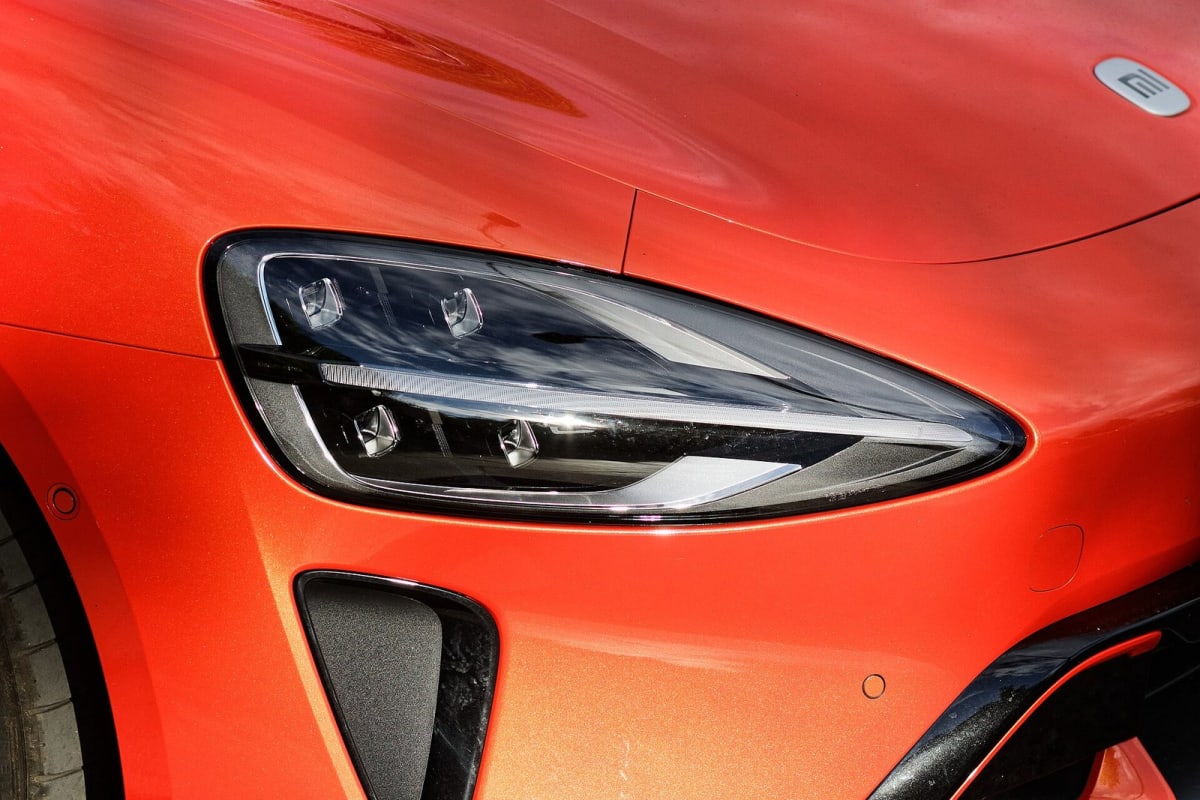
The technological offering put forward by the manufacturer relies on proprietary innovations, such as the HyperOS operating system, which integrates artificial intelligence to unify the user experience between connected devices and the vehicle. While flagship models like the SU7 saloon or the YU7 GT SUV feature in the brand’s international showcase, their exact line-up for the European market has yet to be defined. In addition to technical challenges, Xiaomi will have to face a complex economic environment. The main challenge for the manufacturer lies in the significant customs tariffs applied by the European Union on electric vehicles imported from China. To maintain its competitiveness against legacy carmakers, the firm may eventually be forced to consider setting up its own production sites on European territory or acquiring existing factories, following the example of other Asian automotive groups.