

- Six months after the start of the conflict between the United States and Iran, the partial blockade of the Strait of Hormuz has not caused the feared economic collapse.
- Thanks to sustained high prices, majors such as TotalEnergies (profits doubled in Q2) and Aramco (+34%) are reporting record results.
- Gulf producers are investing heavily in infrastructure to bypass the strait to ensure the long-term viability of their exports.
Market adaptation after six months of tension
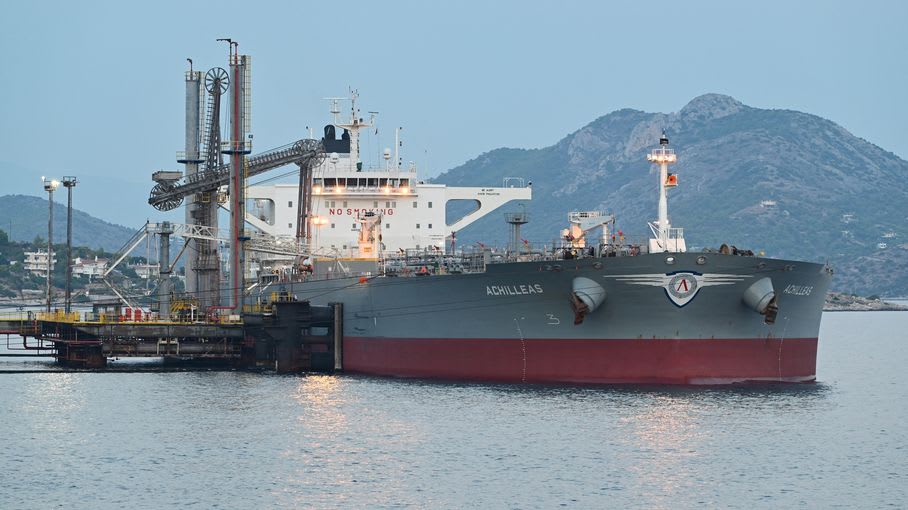
Half a year after the outbreak of hostilities between Washington and Tehran, the darkest forecasts regarding the supply of the global economy have not materialised. Although the Strait of Hormuz, a major transit route for global crude, is under a partial blockade, market players have successfully adjusted their supply flows. The major oil companies have largely benefited from the prolonged rise in prices to reap exceptional profits during the summer of 2026. For instance, the TotalEnergies group recorded earnings that doubled in the second quarter compared to the previous year. Meanwhile, the Saudi company Aramco saw its quarterly profits jump by 34%, despite damage caused to its production infrastructure by drone and missile strikes attributed to Iranian and Houthi forces.
Strategic investments to secure the future
This unexpected financial windfall is allowing Western majors and national companies alike to durably consolidate their strategic positions. Rather than anticipating a decline in activity, the sector is heavily reinvesting its profits, prioritising exploration and extraction in highly profitable fields in South America or deep-sea locations. Gulf producing countries are allocating billions of dollars to the construction and modernisation of bypass pipelines to end their reliance on the Strait of Hormuz. At the same time, this crisis is pushing importing countries, heavily penalised by the cost of black gold, to accelerate their transition towards cleaner energy sources.