

- The Ministry for Ecological Transition is deploying new measures to counter the illegal trade in animals and plants.
- The monitoring of social networks and airport flows is becoming a priority for customs and the gendarmerie.
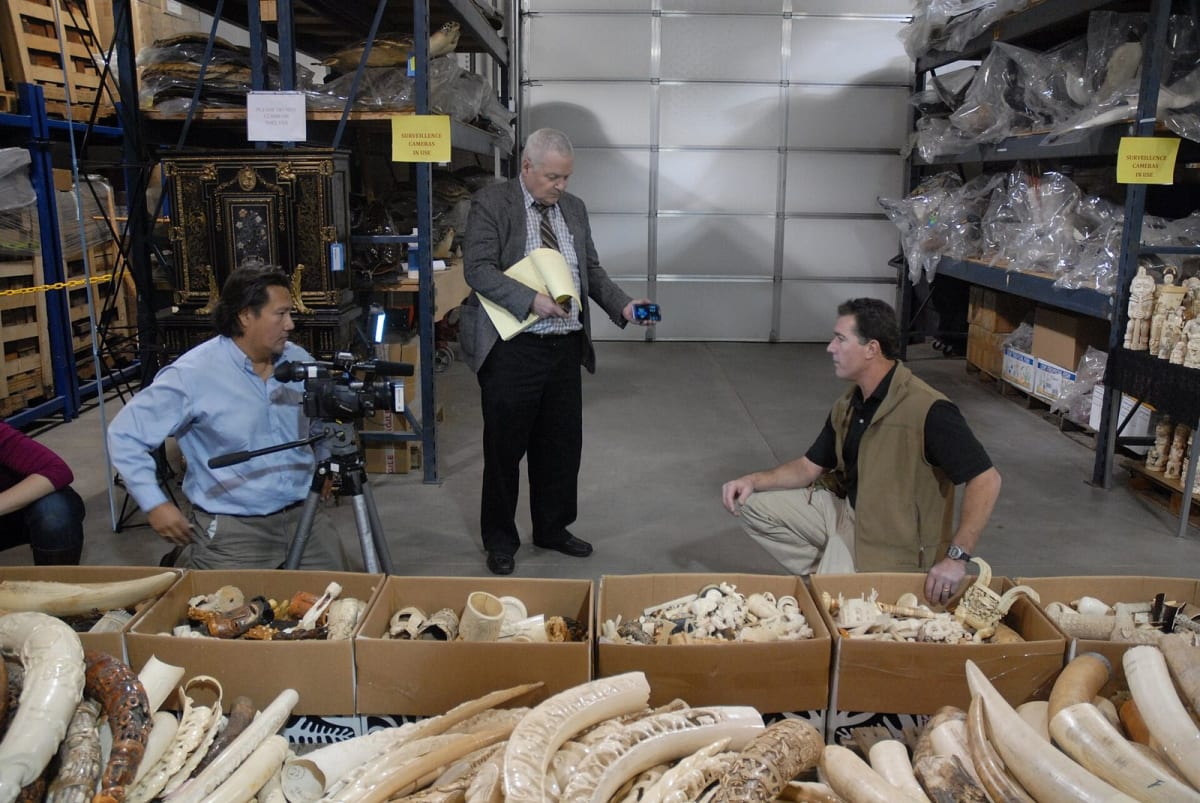
- The State will set up a national system for the collection and destruction of ivory stocks.
An action plan against an expanding criminal trade
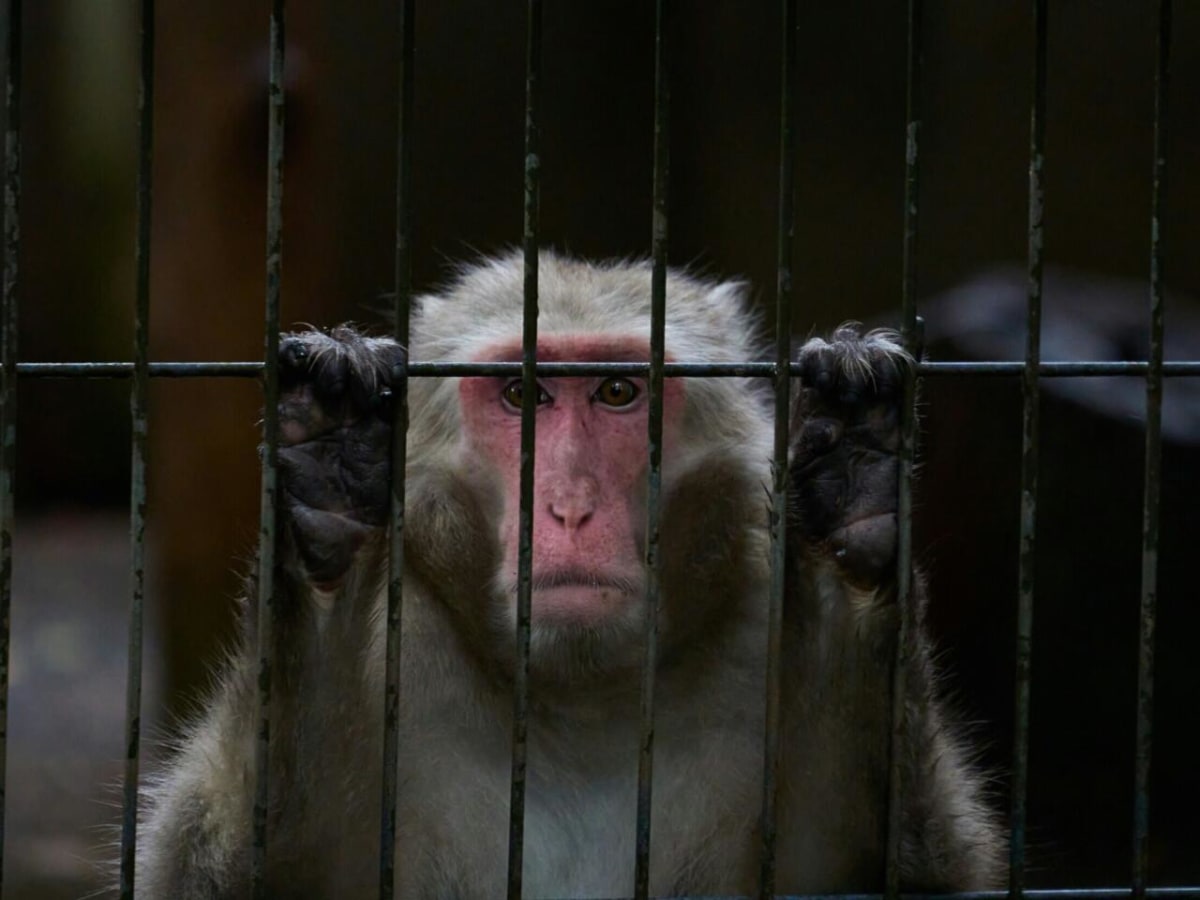
The Ministry for Ecological Transition announced this week a significant strengthening of the resources used to fight wildlife trafficking on national territory. This illicit trade, which affects more than 4,000 species in 160 countries, represents a global financial stake estimated at more than $20 billion per year. Due to the size of its port and airport infrastructure, France remains a strategic hub for criminal networks transporting live animals or derived products, such as bushmeat from Africa. The authorities are noting an increased visibility of this underground market, which is now openly displayed on social networks and online sales platforms. According to animal protection experts, such as Ilaria Di Silvestre, this trade concerns both exotic specimens destined to become pets and protected species intended for food consumption.
Increased monitoring of flows and stocks
To respond to this threat, the government has decided to place the control of digital trade and borders at the top of its operational priorities. This mission will jointly mobilise officers from customs, the gendarmerie and the French Biodiversity Agency (OFB) in order to dismantle illegal import networks. At the same time, a specific section dedicated to ivory provides for the creation of collection and destruction systems managed directly by State services. This measure should allow individuals who own ivory objects, notably through inheritance, to dispose of them safely without feeding commercial channels. The objective of this system is to permanently eliminate available stocks to prevent old pieces from serving as a cover for the trafficking of recent tusks. This global strategy aims to reduce France’s attractiveness as a transit zone while fighting against the financing of organised crime.