

- The cross-border disaster between Nepal and China has left at least 734 dead and nearly 3,000 missing, including four French nationals.
- Rescuers are attempting to reach a construction tunnel in Nepal where around 100 workers have been trapped since Wednesday.
- Rescue operations are being slowed by further severe weather, rising water levels, and landslides in Tibet.
- The United States has released an additional $3.6 million in humanitarian aid to support the affected populations.
A tragic human toll and complex search efforts
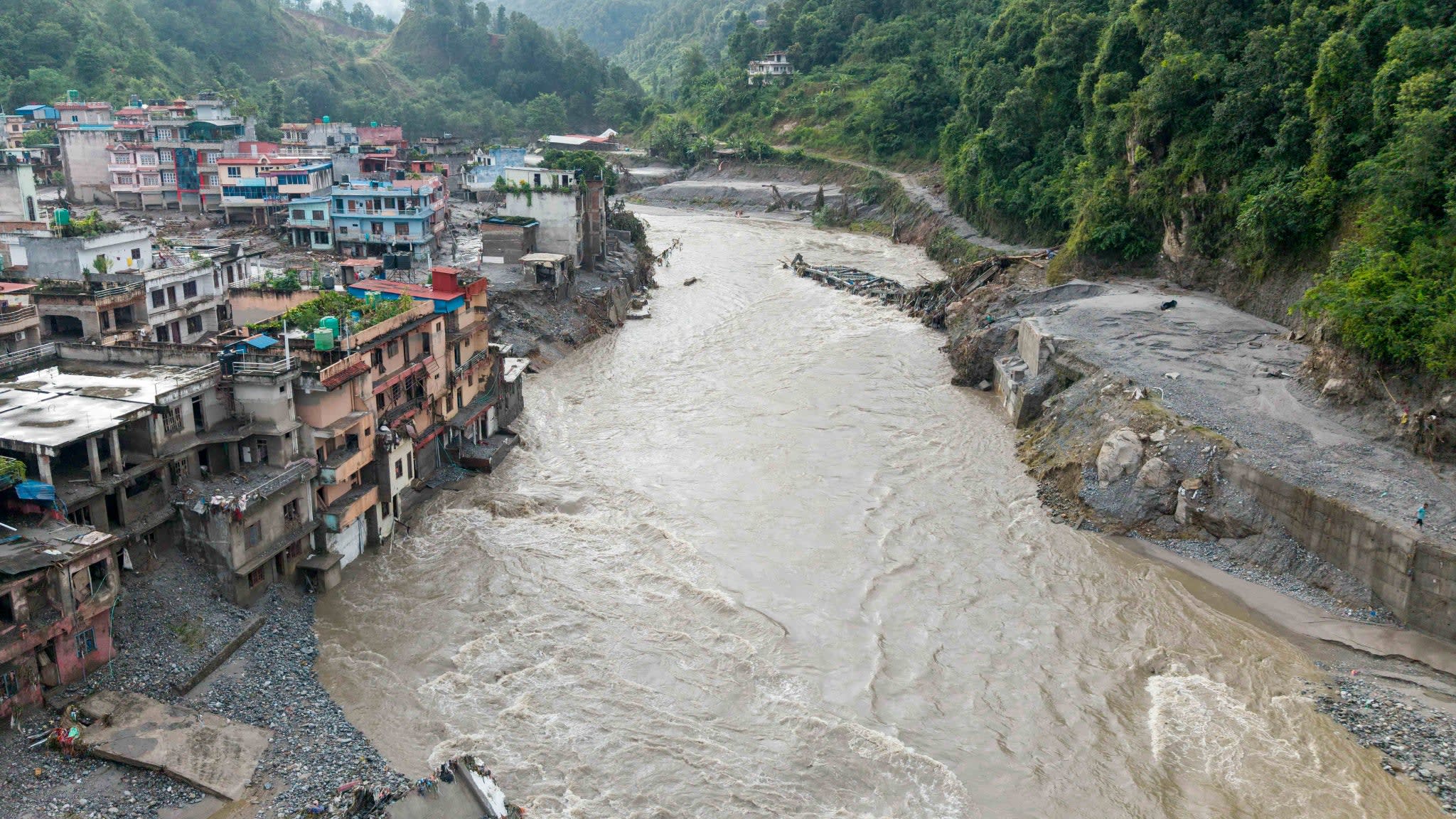
Four days after the devastating floods hit the border region between Nepal and China, the human toll continues to rise. According to the latest figures from authorities, the disaster has caused the deaths of 734 people, while 2,498 others remain missing. Among those being sought are at least four French nationals · three women and one man · two of whom were travelling in this particularly isolated mountainous area. Faced with the scale of the damage, rescue teams are redoubling their efforts in extremely precarious conditions to try and locate survivors.
A race against time to save trapped workers
One of the focal points of the operations is a tunnel construction site in Nepal, where authorities estimate that approximately 100 workers have been trapped since Wednesday. The Ministry of Energy announced that four access routes had been opened to allow rescuers to approach the entrance of the structure. Preparations are underway to enter the tunnel directly and begin physical searches underground. However, progress remains particularly slow due to the accumulation of debris and mud.
Highly unstable weather conditions
The work of rescuers is constantly disrupted by challenging natural elements. Further overnight rainfall caused the level of the Bhotekoshi River to rise, prompting the Nepal Disaster Risk Reduction and Management Authority to call for extreme caution. On the Tibetan side, a landslide led to the formation of a new barrier lake, forcing the precautionary relocation of rescue teams to safe zones. The head of rescue operations, Dai Wanchao, stressed that the overnight rains had considerably complicated clearing operations.
Also read Inondations au Népal : un troisième rescapé sauvé dix jours après la catastrophe
The impact of climate change at the heart of the debate
This tragedy has reignited discussions regarding the vulnerability of Himalayan countries to climate change. Nepal’s Foreign Minister, Shisir Khanal, pointed out that his country was bearing the brunt of these disasters despite emitting less than 0.01% of global greenhouse gases. Meanwhile, UN Climate Chief Simon Stiell emphasised that the burning of fossil fuels was making these extreme events more frequent and more severe. To address the immediate emergency, the United States has announced the granting of an additional $3.6 million in humanitarian aid.